Tarawa tours & experiences
Tarawa is the capital atoll of Kiribati — a thin chain of islets linked by causeways, where ocean and sky dominate daily life and tourism infrastructure stays minimal by design. Visitors come for WWII history, lagoon fishing culture, and a firsthand sense of low-lying island life — including the climate realities Kiribati voices on the world stage. Travel here demands patience, respect, and advance planning; for deeper context read Kiribati: the country that may disappear first. This is not a resort destination — it is an invitation to listen and observe.
Highlights
- Betio WWII sites and Red Beach landing history
- Lagoon fishing, canoe culture, and community markets
- Causeway drives across North and South Tarawa
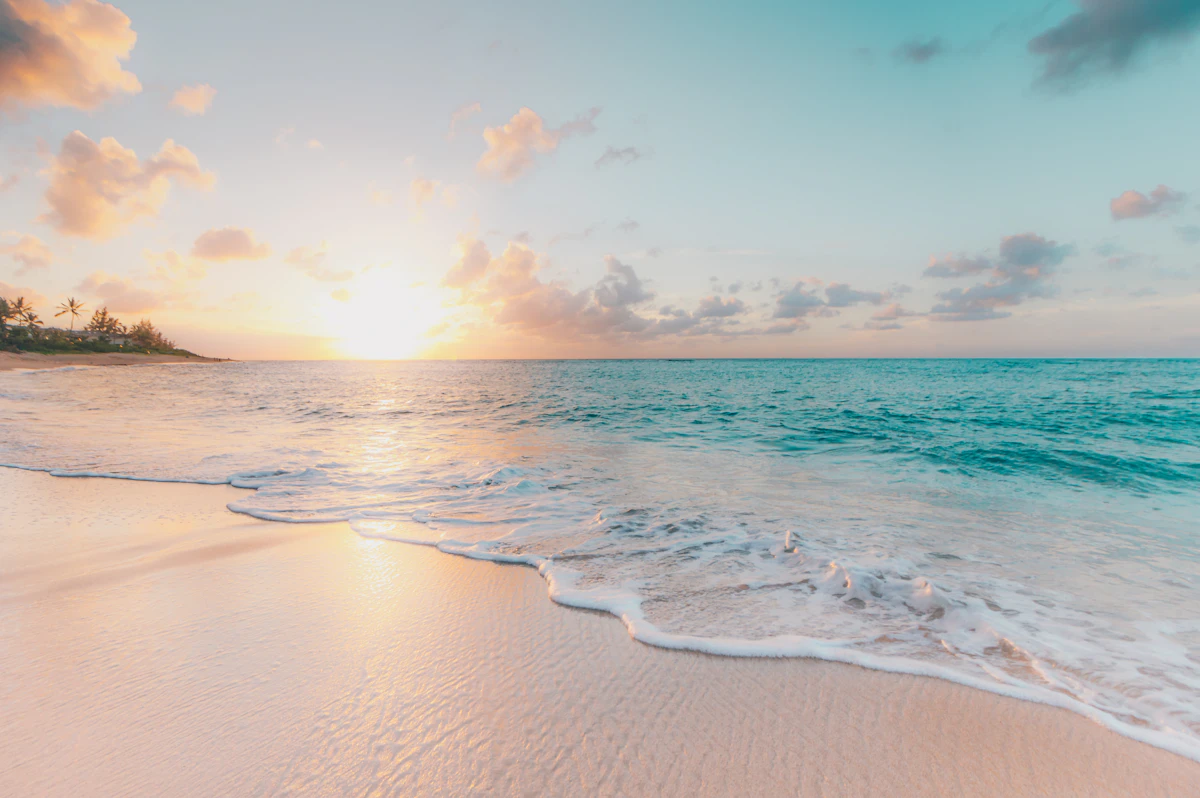
- Sunrise and sunset over an endless horizon
- Authentic atoll pace — not packaged beach tourism
- Climate and sea-level context treated with local respect
When to go
The dry season roughly December–March offers slightly lower rainfall and more reliable outdoor time — also when regional flights are somewhat more predictable. April–November is hotter and wetter; downpours can flood low sections of the causeway.
Kiribati sits astride the equator and the International Date Line — jet lag and calendar confusion are part of the trip. Shoulder-season thinking from shoulder season travel matters less here than flight availability; build buffer days around Air Kiribati and Nauru Airlines schedules.
- Dec–Mar: relatively drier, preferred for visits
- Apr–Nov: hotter, wetter, fewer tourists anyway
- Always: flexible plans — weather and flights dictate pace
North and South Tarawa
South Tarawa holds the government center, Betio’s WWII relics, and the densest population — narrow strips of land with lagoon on one side, ocean on the other. North Tarawa is quieter: smaller villages, guesthouses, and clearer glimpses of traditional life when you arrange community visits respectfully.
The causeway links islets — transport is shared taxis, minibuses, and occasional rental cars with limited mileage. There are no high-rise hotels; accommodation ranges from basic guesthouses to a handful of international-standard rooms. Plan slow days: heat, humidity, and cultural pace are not built for packed sightseeing.
Experiences worth booking
WWII history tours on Betio cover bunkers, gun emplacements, and landing beaches — guides add context beyond rusted metal. Lagoon fishing outings with local skippers show net and line techniques passed down generations; confirm community benefit and permissions before booking.
Snorkeling patches exist on calm lagoon days but are not curated like Bali or Sydney — expectations should stay modest. Some operators arrange outer-island hops (e.g., Abaiang) for a night in a village guesthouse; these are logistics-heavy and best arranged through established local contacts or inbound agencies. Browse what exists, but prioritize respectful cultural exchange over adrenaline activities.
- Betio WWII historical walk with a local guide
- Lagoon fishing or canoe outing when weather allows
- North Tarawa village guesthouse stay (pre-arranged)
- Market mornings for coconut, taro, and handicrafts
Logistics and respectful travel
Flights are the bottleneck — routes via Fiji, Brisbane, or Honolulu change; confirm visas, health requirements, and baggage limits early. Cash (Australian dollars widely used) matters; ATMs are limited. Internet is slow; download maps and confirmations offline.
Climate change is not an abstract lecture here — it is shoreline erosion, king tides, and migration conversations in daily news. Listen more than you photograph; ask before images of people or homes. Pack reef-safe sunscreen, modest clothing for villages, and patience. If your trip includes other Pacific or Asia hubs, Tokyo or Melbourne connections are common — keep Tarawa as a dedicated segment, not a quick add-on.
Frequently asked questions
Is Kiribati set up for mainstream tourism?
No — infrastructure is limited, flights are infrequent, and activities are community-scale. That is the point for many visitors seeking authenticity, but it is not a substitute for a packaged beach holiday. Plan with local operators or guesthouses that employ I-Kiribati staff.
How should I talk about climate change with locals?
With humility. Many I-Kiribati lead global advocacy; they do not need tourists to explain the issue. Ask questions when invited, support community-led projects, and avoid disaster tourism framing — this is home, not a cautionary exhibit.
How many days should I allow on Tarawa?
Five to seven days including flight buffers — one for WWII history, one for North Tarawa, one for lagoon time, and the rest for weather and transport slack. Outer-island extensions need extra days and confirmed boat schedules.
Create a personalised Tarawa trip · Search live experiences in Tarawa