Tokyo tours & experiences
Tokyo rewards focus over FOMO. Pair one iconic district with one quieter neighborhood each day, leave room to wander, and lock in timed tickets before you chase neon. Trains make distance feel short, but walking within a ward is how you actually see the city. For a tight sample, start with 48 hours in Tokyo; for longer stays, use the 3-day, 5-day, or 7-day independent plans — or the matching guided-tour stacks.
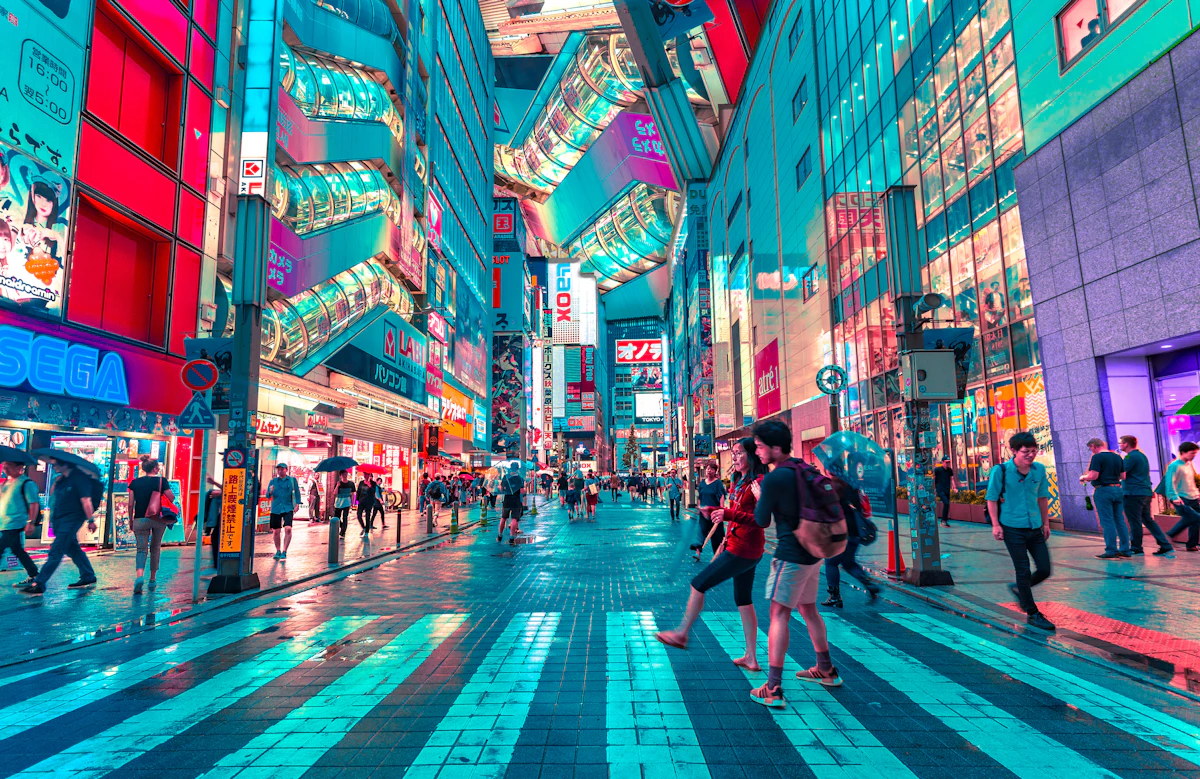
Highlights
- Asakusa mornings and Shinjuku nights without sprinting between every ward
- Food-led neighborhoods — from sushi counters to standing izakaya
- Easy day trips to Kamakura or Nikko when you want temples and coast
- IC card transit that covers almost every subway and JR hop
- Timed entries for teamLabs, towers, and popular museums
When to go
Late March to early April (cherry blossom) and mid-November (autumn color) are beautiful and crowded — book lodging and popular attractions months ahead. May–June brings mild weather before peak humidity; September–October is often clearer than summer but can still see typhoon weekends.
July and August are hot, humid, and festival-heavy. Winter (December–February) is cold but dry, with shorter queues at major sights and cheaper midweek hotel rates outside New Year week.
- Cherry blossom week: arrive early at parks; expect packed trains toward Ueno and Meguro
- Golden Week and Obon: domestic travel surges — lock trains and hotels early
- Weekday mornings are the calmest window for shrines and museums
Neighborhoods / areas
Base yourself near a major hub and day-trip by ward instead of hopping hotels. Shinjuku and Shibuya are convenient overnight bases; Asakusa and Yanaka reward slower mornings; Shimokitazawa and Koenji work well for evenings without tourist-menu pricing.
Treat each day as one or two contiguous areas. Crossing the city three times for photo spots wastes more energy than it saves.
- Asakusa & Sumida: Senso-ji early, Skytree or river views later
- Shibuya & Harajuku: crossing, Meiji Shrine, Omotesando shops
- Shinjuku: skyscraper views, Golden Gai, or Omoide Yokocho dinner
- Ueno & Yanaka: museums, park paths, quieter residential streets
Experiences worth booking
Anything with a fixed capacity — teamLab, popular observation decks, sumo tournaments in season, and cooking or sushi classes — sells out on short trips. Book those first, then fill gaps with neighborhood walks and free shrines.
If you want a structured day outside the city, Kamakura or Nikko tours remove transfer stress; independent travelers do fine with JR passes or IC cards on local lines.
- Timed digital-art or museum tickets for rainy afternoons
- Food tours that teach order etiquette at izakaya and ramen counters
- Half-day Kamakura or Mt Fuji viewpoints when weather is clear
Getting around & practical tips
Get a Suica or Pasmo (physical or mobile) on arrival and top up as needed. Google Maps and Japan Transit Planner handle transfers well; station exits are numbered — match them before you resurface.
Carry a bit of cash for smaller restaurants and temples; many places take cards, but not all. Convenience stores are reliable for water, umbrellas, and late snacks. Pack light for dense streets and stairs — how to pack light for city breaks applies especially here.
Frequently asked questions
How many days do you need in Tokyo?
Three full days covers one iconic core (Shinjuku/Shibuya), one east-side day (Asakusa/Ueno), and one flex day for a food focus or Kamakura. Five to seven days lets you add a second day trip and slower neighborhood evenings without rushing.
Do I need a JR Pass for Tokyo only?
Usually no. Subways and local JR lines with an IC card are enough inside the metro area. A national JR Pass only pays off if you are chaining long-distance shinkansen trips on the same visit.
Is Tokyo expensive for food?
It scales with choices. Convenience-store meals, standing soba, and lunch sets stay reasonable; omakase and hotel dining climb quickly. Booking one guided food evening can teach price norms faster than trial and error.
Create a personalised Tokyo trip · Search live experiences in Tokyo
Related reading
- Best day trips from Tokyo: 10 things to do
- Tokyo day trips with guided tours
- 3-day Tokyo self-drive itinerary
- 3 days in Tokyo with guided tours
- 5-day Tokyo self-drive itinerary
- 5-day Tokyo itinerary with guided tours
- 7-day Tokyo self-drive itinerary
- 7-day Tokyo itinerary with guided tours
- 48 hours in Tokyo without rushing the magic
- 10-day Japan itinerary for Australians