Kiribati: the country that may disappear first
Atoll life on the front line of rising seas — respectful travel notes for Tarawa and the outer islands.
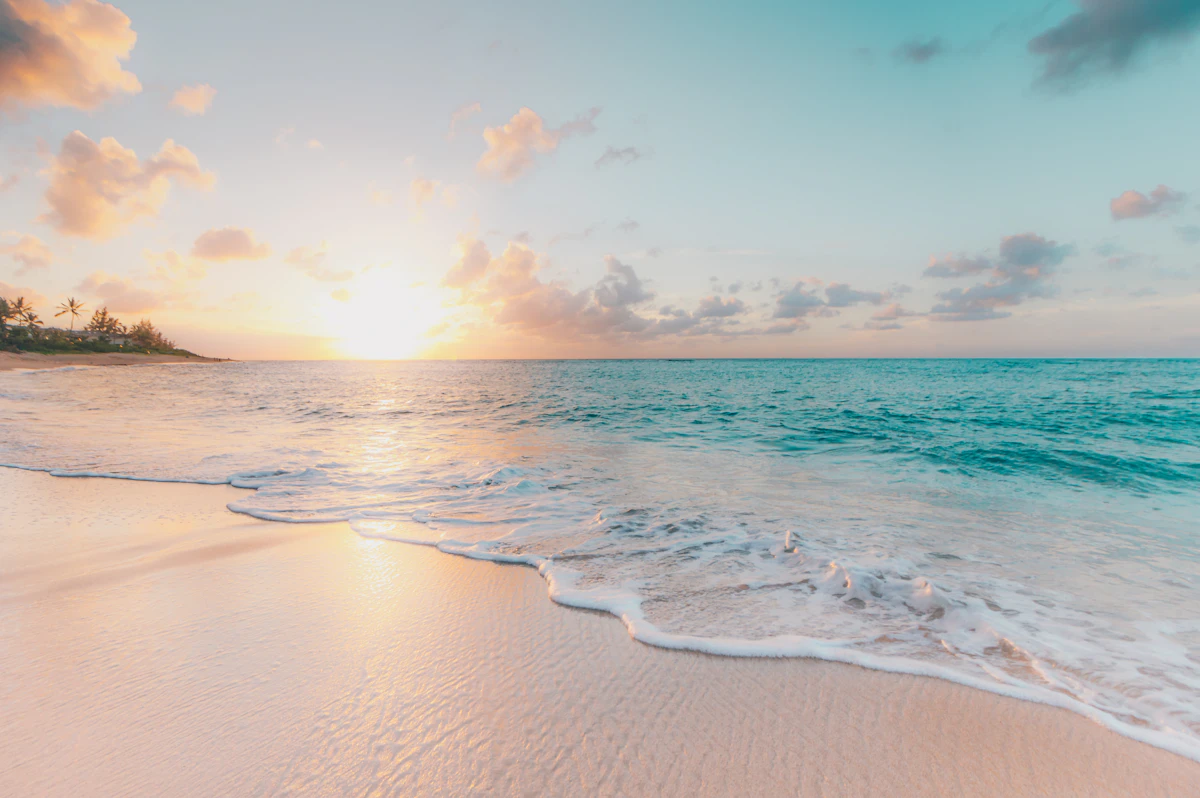
Kiribati is not on most bucket lists — and that is part of why it matters. Spread across 33 atolls and reef islands in the central Pacific, this is one of the least visited countries on Earth. It is also among the first places where rising seas stop being an abstract chart and start being daily life: narrow strips of land, king tides that rewrite the shoreline, and communities whose identity is tied to ocean rhythms older than any passport.
Why Kiribati shows up in climate conversations
The headlines are stark: low elevation, limited freshwater, and nowhere to retreat when the lagoon climbs the causeway. Kiribati has become a symbol of what coastal nations face — not because its people asked to be symbols, but because geography makes the trade-offs visible. Visiting with that context is not disaster tourism. It is listening to a place where fishing calendars, church schedules, and family land still organize the week, even as planners talk about relocation and adaptation.
- Most land sits only a few metres above sea level — a few metres is the entire margin
- Fresh water often comes from rainwater and thin lenses beneath the coral — both stressed by drought and salt intrusion
- Outer atolls can feel worlds away from Tarawa, with fewer services and slower transport
Tarawa: where the country actually lives
Tarawa Atoll is the administrative heart — a long, thin chain where South Tarawa concentrates shops, government offices, and the main airport. The road between islets can feel like driving along a ribbon with ocean on both sides. Life here is loud in the human sense: children on bikes, betel nut stalls, woven mats drying in the sun, and the constant sound of waves on the reef.
Do not expect a resort arc. Accommodation is modest; meals skew local — taro, breadfruit, coconut, reef fish. The reward is proximity: you are inside a culture that reads the tide the way other cities read traffic. Morning light on the lagoon is worth waking for. Evening volleyball on packed sand is a social calendar item, not a staged experience.
Outer atolls: slower, harder, more intimate
If Tarawa is the hub, the outer islands are the deeper story — fewer flights, longer boat rides, and hospitality that runs on relationships rather than reviews. Travellers who make it outward often describe silence you can feel: palm fronds, reef break, distant outboard motors. Pack patience and supplies; schedules bend to weather and fuel, not to your return ticket.
- Confirm inter-island transport before you fly in — seats and cargo space are limited
- Bring reef-safe sun protection and modest dress for village visits
- Cash matters; card infrastructure is thin outside main centres
- Gifts or a willingness to sit and talk matter as much as tipping culture elsewhere
Ocean culture, respectfully
I-Kiribati identity is maritime. Navigation knowledge, canoe building, and fishing grounds passed through families are not museum pieces — they are living practice. Ask before photographing people or homes. Accept that climate anxiety in the West can feel extractive here; curiosity works better than speeches. If you want a parallel for travelling with environmental weight, sunrise at the Grand Canyon offers a different scale of awe — geological time instead of ocean time — but the same instinct to show up humble.
For island rhythm elsewhere in the Pacific, Bali is easier to reach and far more developed — useful contrast, not a substitute. Kiribati is deliberately off the beaten path.
Practical realities (honest, not romantic)
Flights are infrequent and expensive relative to distance. Health facilities are basic. Internet can be slow. Heat and humidity are constant. None of that is a reason to dismiss the place — but it is a reason to plan like an guest, not a conqueror. Shoulder-season thinking from shoulder season travel wins still applies in spirit: avoid assuming peak-resort infrastructure where none exists.
- Check visa and health requirements well ahead — rules change and embassies are sparse
- Travel insurance that covers medical evacuation is not optional theatre
- Build buffer days around flights; one cancelled leg can domino
- Learn a few Gilbertese greetings — effort is noticed and returned
What you take home
Kiribati reframes “remote.” It is not empty — it is full of people whose home happens to be thin. That is an emotional lesson, not a guilt trip. Read our Tarawa destination guide before you go, and leave with a sharper sense of why coastal cities from Sydney to Cape Town also watch sea levels — and why why we travel for awe sometimes means witnessing fragility, not only grandeur.
When you are ready to explore further
Plan My Getaways is built for discovery and booking where tours exist — Kiribati is rarely that place, and that honesty matters. Use our search for Pacific hubs you might combine on a longer route, browse destination guides for better-served islands, and treat Kiribati as a reminder that travel can be witness as well as pleasure. If Tarawa is on your horizon, start with respect, time, and the understanding that the country may look different on your next visit — through no fault of the people who live there today.