London tours & experiences
London is a collection of villages connected by the Tube. Pick a museum morning, a market afternoon, and one evening show — then leave gaps for whichever borough pulls you in. Free national museums are a gift if you book popular exhibitions ahead. For packing across rain and Tube stairs, how to pack light for city breaks is worth a skim.
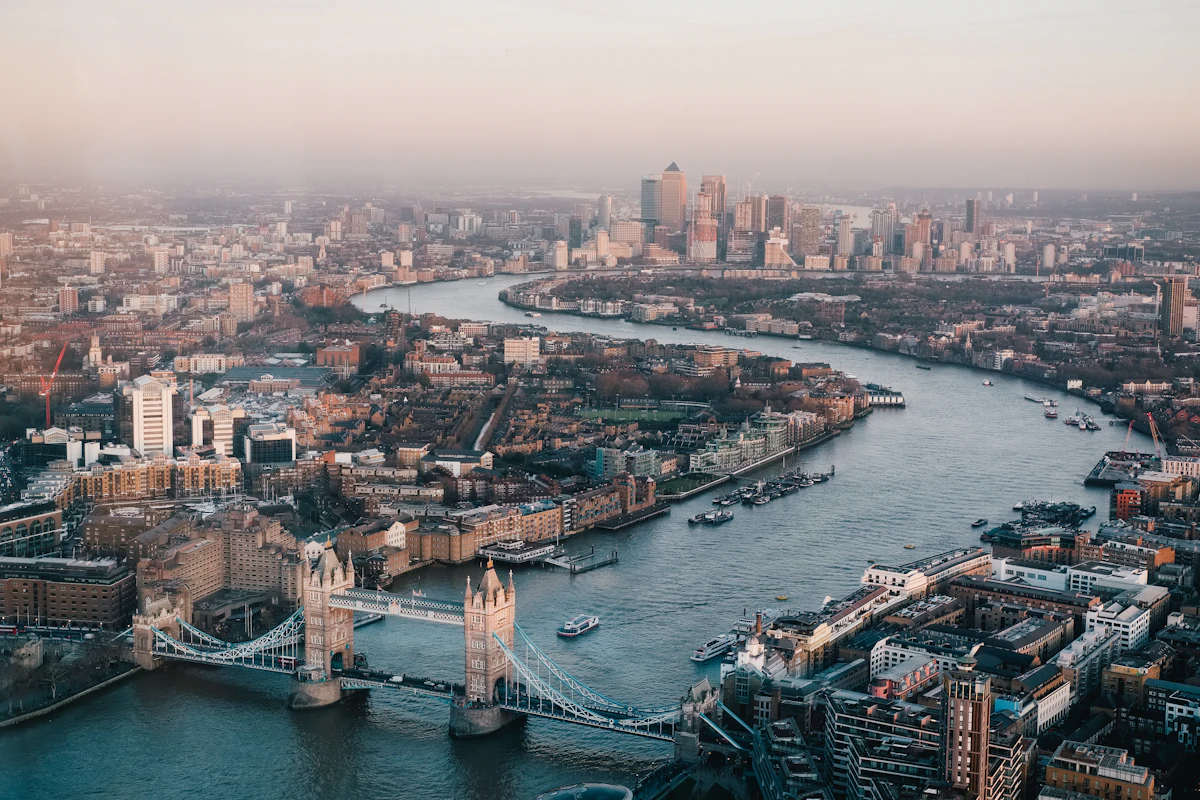
Highlights
- Museum strategies that dodge the longest security lines
- Neighborhood walks through areas hotel maps flatten into “central”
- Bath, Oxford, or Stonehenge days when you want a change of century
- Market mornings at Borough, Broadway, or Portobello with a time limit
- West End or fringe theatre booked before Friday sell-outs
When to go
May–June and September are often the most pleasant for walking; July–August bring longer days and peak tourist density. Winter is dark and damp but strong for museums, theatre, and lower hotel rates outside Christmas week.
Shoulder months balance daylight and crowds — more on shoulder-season travel wins. Bank holidays and half-term school breaks fill trains and major sights; book timed exhibitions early those weeks.
- Free permanent collections still benefit from early weekday arrival
- Theatre matinees help if evening seats are sold out
- Rain is frequent — plan one indoor backup per day
Neighborhoods / areas
South Bank is easy for first-timers (walk, views, museums). The West End covers theatre and retail; Shoreditch and Hackney lean street food and nightlife; Kensington and South Kensington cluster museums; Greenwich rewards a half day of park and naval history.
Soho and Covent Garden are lively and crowded; Marylebone and Bloomsbury feel calmer for lodging. Pick a base on a Zone 1–2 Tube line rather than the most famous square.
- South Bank: Tate Modern, Borough Market, river walks
- South Kensington: Natural History, Science, V&A in one loop
- East London: markets, street art, independent food
- Westminster / Royal Parks: icons plus recovery green space
Experiences worth booking
Popular temporary exhibitions, Tower of London, London Eye, and top West End shows sell out. Walking tours (East End food, royal parks, or history themes) compress orientation on day one.
Day trips to Bath, Oxford, Windsor, or Stonehenge/Avebury work well by organised tour if you do not want to decode rail schedules — see London day trips with guided tours or the independent-route best day trips from London. Keep one evening free for a pub meal in a residential neighborhood.
- Timed Tower of London or major exhibition tickets
- West End or fringe theatre booked online in advance
- Oxford, Bath, or Stonehenge day trips with transport
Getting around & practical tips
Contactless bank cards or Oyster work on Tube, buses, and Elizabeth line — daily capping helps. Walking between adjacent sights often beats a one-stop Tube ride once you factor station time.
Stand on the right on escalators. Carry a compact umbrella and a layer even in summer. Tipping in restaurants is often included as service; check the bill. Tap water is fine to request.
Where to stay (by area)
South Bank and Southwark keep museums, markets, and river walks close and have good Tube links. Bloomsbury and Marylebone are calmer central bases, while Covent Garden and Soho are lively but louder at night.
South Kensington suits museum-heavy trips. Further out, Zone 2 neighbourhoods on the Elizabeth line or Jubilee line can offer better value with short journeys into the centre. Check the nearest station and the last-train timing if you plan late evenings.
- First-timers: South Bank or Bloomsbury
- Museum-heavy: South Kensington
- Lively evenings: Soho and Covent Garden
- Value: Zone 2 on a fast line
A sample first-day plan
Start on the South Bank with a river walk and a market stop before it fills, then cross to Westminster for the main landmarks. Keep museum time for the afternoon when rain is likely.
Finish with an early dinner and a theatre show you booked in advance. The 3-day London self-drive itinerary and 3 days in London with guided tours give a fuller structure.
- Morning: South Bank walk and market
- Afternoon: Westminster or a museum
- Evening: pre-booked theatre
Common mistakes to avoid
Many visitors underestimate walking distances between stations and forget that Tube changes can be longer than they look. Another mistake is skipping advance bookings for Tower of London or popular exhibitions.
If you plan to leave the city, check best day trips from London for timings before you commit, and consider a guided Bath or Stonehenge day rather than stitching trains yourself. Pack a compact umbrella regardless of season.
- Underestimating Tube transfer time
- Skipping advance tickets
- Visiting only Zone 1 icons
- Leaving rain gear behind
Frequently asked questions
How many days do you need in London?
Three full days cover one museum cluster, one royal/iconic core, and one neighborhood-plus-market day. Five days lets you add a day trip and a theatre night without sprinting between every landmark.
Are London museums really free?
Most major national museums and galleries have free permanent collections; special exhibitions usually need paid timed tickets. Donations are optional. Arrive early for security queues at the most popular houses.
Is the Tube enough, or do I need buses too?
The Tube covers most visitor itineraries. Buses help for scenic hops (and when Tube lines are disrupted) and often get you closer to market streets. Contactless works across both.
Where should I stay in London for first-timers?
South Bank, Bloomsbury, and Marylebone balance central access with a calmer feel. Covent Garden and Soho suit nightlife. Prioritise a Tube or Elizabeth line station nearby.
Is London expensive to visit?
It can be, particularly for hotels and eating out. Free national museums, markets, and park walks help balance spending. Check current fares and booking options before you travel, and consider off-peak dates.
Can I visit Paris from London in a day?
The Eurostar makes it technically possible, but it is a tight day. Most travellers prefer a night or two; see the Paris guide if you plan to combine both cities.
Create a personalised London trip · Search live experiences in London
Related reading
- Best day trips from London: 10 things to do
- London day trips with guided tours
- 3-day London self-drive itinerary
- 3 days in London with guided tours
- 5-day London self-drive itinerary
- 5-day London itinerary with guided tours
- 7-day London self-drive itinerary
- 7-day London itinerary with guided tours
- How to pack light for three-day city breaks
- Shoulder season: the underrated travel sweet spot