Dubai tours & experiences
Dubai is spectacle done efficiently. Mix one desert evening, one old-Dubai creek morning, and one skyline or fountain slot — then decide whether theme parks or yacht hours deserve a full day. Heat shapes everything: outdoor sightseeing belongs to early mornings and evenings for much of the year. If your dates are flexible, shoulder season windows can mean more pleasant outdoor walking without peak winter crowds.
Highlights
- Desert safaris timed for sunset rather than midday heat
- Creek and souk walks that balance the glass-tower itinerary
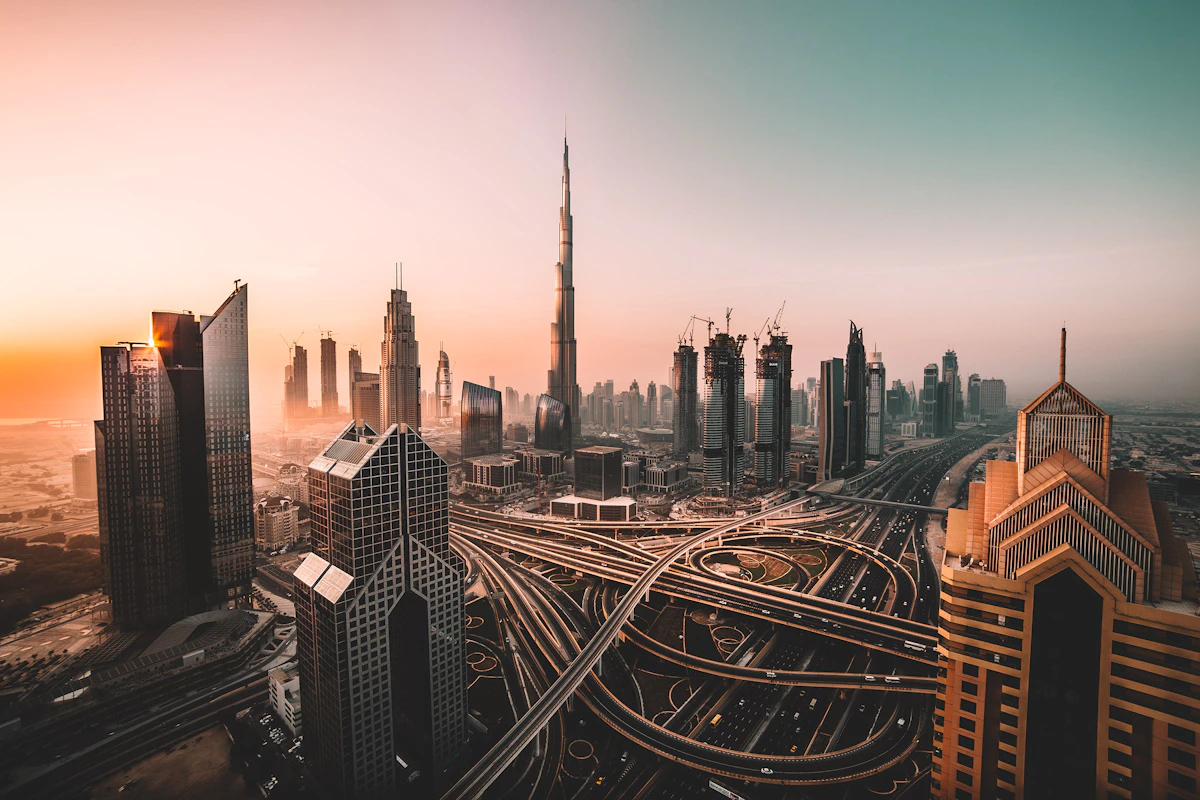
- Observation decks and fountain shows when the light is soft
- Old Dubai heritage areas before the mall-and-tower circuit
- Day trips to Abu Dhabi when you want a change of skyline
When to go
November–March is the prime outdoor season: cooler evenings, beach weather, and peak demand for hotels and desert tours. Book desert safaris and popular restaurants well ahead in winter.
April–May and October are transitional — still warm, but workable with early starts. June–September are extremely hot; lean on malls, indoor attractions, evening dhow cruises, and very early desert departures. Rain is rare but can cause brief flash flooding.
- Winter: best for outdoors, beaches, and desert evenings
- Shoulder months: fewer peak crowds, still warm days
- Summer: indoor-heavy itineraries and sunset-only outdoor plans
Areas worth your time
Downtown Dubai covers Burj Khalifa views, the Dubai Fountain, and Dubai Mall — efficient but crowded; go early or late. Palm Jumeirah and Marina deliver beach-resort energy and yacht marinas. JBR is the walkable beach strip for an evening promenade.
Old Dubai — Al Fahidi, the Creek abra crossings, and the gold and spice souks — is the essential counterweight to the new skyline. Do it in the morning when temperatures and crowds are kinder. Business Bay and DIFC matter more for dining and nightlife than sightseeing.
Experiences worth booking
A sunset desert safari (dune drive, optional dinner) is the signature booking; morning desert options exist for photography with softer light and less heat. Observation deck tickets for Burj Khalifa or competing towers should be timed — sunset slots sell out.
Creek dhow dinners, yacht hours, and guided Old Dubai walks add texture beyond malls. Theme parks (IMG, Motiongate, and others) need a full day and serious heat planning in summer. Compare packages carefully; the cheapest desert tour is not always the safest or least rushed.
- Sunset desert safari with a reputable operator
- Timed observation deck or fountain evening
- Old Dubai creek and souk morning
- Optional Abu Dhabi mosque and Louvre day trip
Practical tips
Dress modestly in malls, mosques, and government areas — shoulders and knees covered is a safe default. Alcohol is available in licensed venues; public intoxication is not. Friday is the main weekly holiday; some attractions shift hours.
The metro is clean and useful along the Red and Green lines; taxis and ride-hail fill the gaps. Carry water outdoors even in winter. For a compact packing list that survives mall air-con and desert evenings, see how to pack light for city breaks.
Where to stay (by area)
Downtown Dubai puts you near the Burj Khalifa and Dubai Mall, which is convenient for short stays. Dubai Marina and JBR offer beach access and a walkable promenade, and Palm Jumeirah is resort-focused. Deira and Bur Dubai are older districts near the creek, souks and generally lower rates.
Pick the area that matches your priorities rather than splitting stays on a short trip.
- Downtown: skyline, mall and fountain
- Marina / JBR: beach and promenade
- Deira / Bur Dubai: creek, souks and value
- Palm Jumeirah: resort-style stays
A sample first-day plan
Begin with an early creek and old-Dubai walk, including an abra crossing and spice and gold souks. Rest in the afternoon, then visit the Downtown area at dusk for the skyline and fountain show.
Keep a desert evening for another day. For timing, see shoulder season travel wins.
Getting there & getting around
Dubai International is a major hub with metro and taxi links to the city. The metro and trams cover many tourist areas, taxis and ride-hailing fill the gaps, and a hire car is rarely necessary unless you plan desert drives. Check current metro lines and operating times.
If you are exploring the wider region, the Cairo guide and the destinations by country page can help plan onward trips; see also how to pack light for city breaks.
Common mistakes to avoid
Do not plan long outdoor walks at midday in summer. Do not ignore local dress and conduct norms, especially in malls, mosques and public areas. And do not leave the Burj Khalifa or desert evening to the last day; popular slots and weather matter. See destinations by month for seasonal ideas.
- Underestimating heat and humidity
- Booking too many headline attractions in one day
- Skipping travel insurance and visa checks
Frequently asked questions
How many days do you need in Dubai?
Three full days cover skyline highlights, Old Dubai, and a desert evening without rushing. Four to five days allow a beach half-day and an Abu Dhabi trip. A single overnight layover only fits one major experience — choose desert or Burj, not both.
Is summer travel to Dubai worthwhile?
It can be, if you accept an indoor-first itinerary and deep hotel discounts. Plan outdoor time for dawn and after dark, hydrate constantly, and avoid midday desert activities. Many outdoor operators adjust hours or pause the harshest options.
Do I need to book the Burj Khalifa in advance?
Yes for popular sunset and evening slots, especially in winter and on weekends. Daytime tickets are easier but harsher on glare and heat at the base. Arrive a little early for security; bring a light layer for strong air-conditioning upstairs.
Is Dubai expensive?
It can be, particularly for hotels, dining out and headline attractions, but value varies by area and season. Staying in older districts and using the metro can reduce costs.
What should I wear in Dubai?
Light, breathable clothing, with modest dress for malls, mosques and traditional areas. Beachwear belongs at beaches and pools.
Is the metro good for tourists?
Yes for many main areas such as Downtown, Marina and the creek side, though check lines for your hotel before relying on it.
Create a personalised Dubai trip · Search live experiences in Dubai